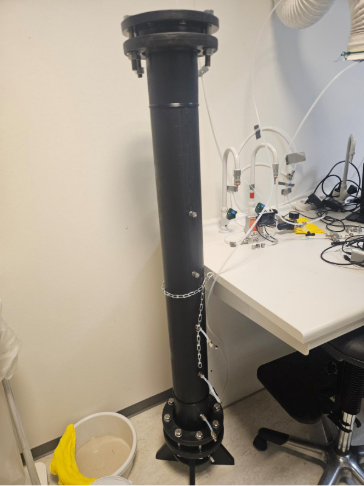
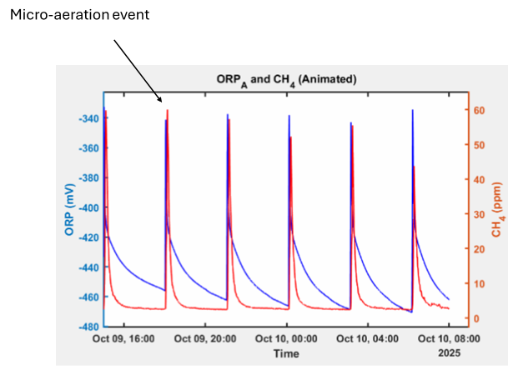
Micro-aeration of manure can reduce the production of methane due to methanogenic inhibition. This technology has shown promising results, but we need a better understanding of the process and how it can be optimized with respect to dosing technology, frequency of dosing and intensity. Furthermore, models for predicting mitigation needs to be calibrated and laboratory and pilot scale experiments can help with providing mass transfer coefficients for modelling.
Alternatively, there can be a study together with a company on a full-scale slurry tank using an air injector and pumping system to inject air and mix the slurry. The engineering challenge will be to ensure homogenous distribution of oxidants in the slurry tank and optimising the power use for the process.
Methane is not very soluble in animal manure, but micro bubbles can be trapped dues to large particles or crust formation in the manure surface. Consequently, when the manure is disturbed large burst of methane can be released. This complicates our measurements of methane emission and creates some uncertainty in estimating methane production rates. We need more knowledge on the degree of methane oversaturation in different manures and the speed of accumulation in the manure.
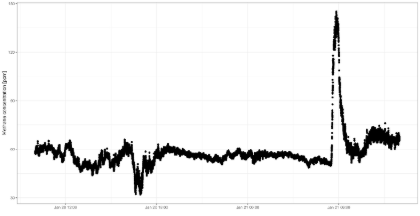
Picture of methane peak in a dairy cow barn during agitation (pumping) of slurry. As ca. 85% of the methane is produced by the cows themselves (so-called enteric methane), the peak at 6 am shows a major emission of methane from the slurry during agitation.
We need more knowledge on methane oversaturation and mass transfer of methane from the manure to the air phase under agitation and mixing.
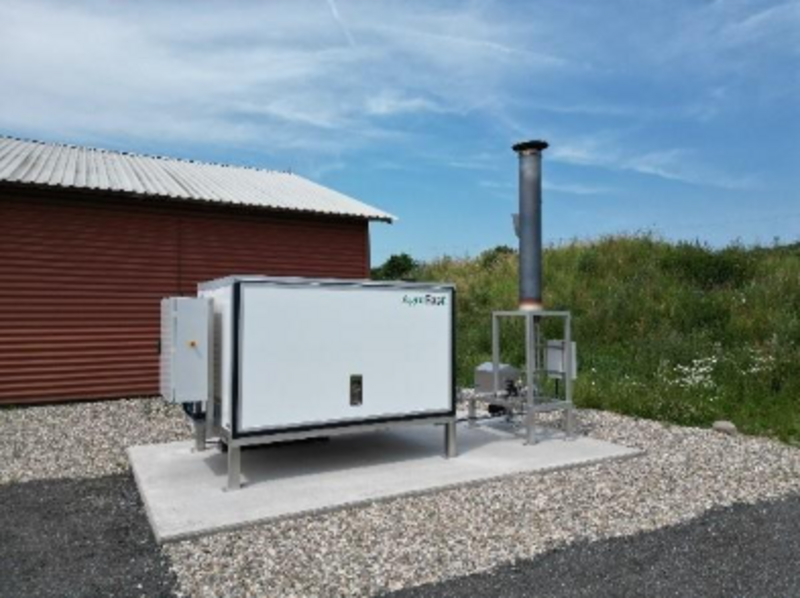
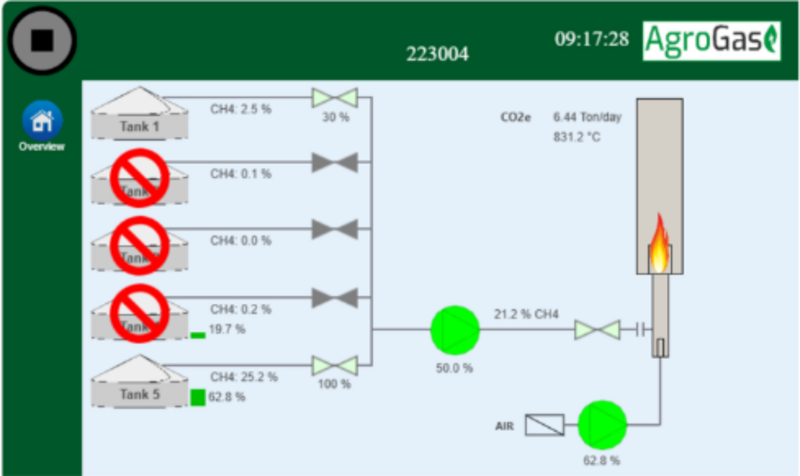
The firm AgroGas has developed and markets a flaring system, where gases from covered slurry tanks are pumped out and transferred to a flaring unit with combustion of methane into carbon dioxide. The gases from the covered slurry tanks are humid, and therefore a condensation well is placed in the pipes between the slurry tanks and the flaring unit. Measurements have shown that very little ammonia reach the feed gas to the flare, indicating that most the ammonia is trapped in the water in the condensation well. The condensate is recycled to the slurry tanks. The project will study the efficiency of this system and how it can be improved.
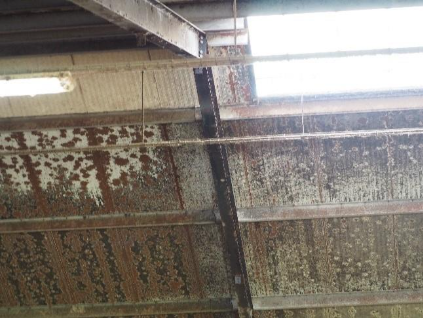
Acidification of slurry with sulfuric acid is a well-known technique to reduce emissions of ammonia and methane. However, the use of sulfuric acid has some negative side effect as adding to much sulphur to the fields, production of hydrogen sulfide in the animal houses, which react with oxygen in condensed water and produce sulfuric acid, which in turn can cause severe corrosion damage on construction. Further biogas plants do not want slurry acidified with sulfuric acid as sulfate inhibits the methanogenesis. Sulfuric acid is not allowed in organic livestock production, thus increasing the demand for other reduction technologies.
Bio-acidification can be done by adding sugar-rich by-products directly to the slurry and producing lactic and acetic acids in a tank, which can be added to the slurry. The effect of acidification can be evaluated simply by measuring the pH, and compare the ammonia emission with acidification with sulfuric acid.
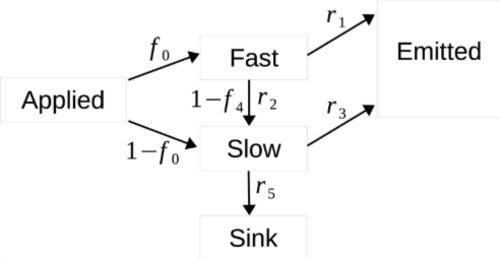
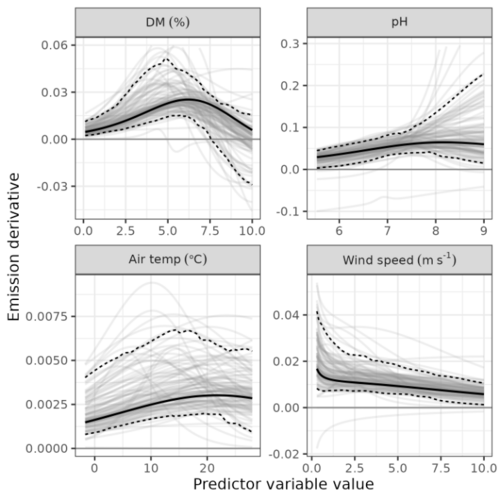
The ALFAM2 model (alfam.dk) is semi-mechanistic model and open-source software package maintained by the Agro-Emission Modelling section. The model is regularly improved and applied and students projects can be built around both aspects.
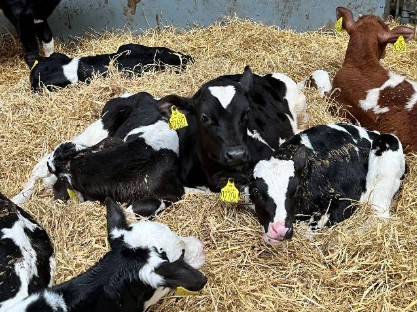
We have three new projects on how to reduce GHG from deep litter in livestock houses. Deep litter is a system where you add straw frequently and first remove the litter in the end of a production cycle. The deep litter consists of the faeces and urine from the animals mixed with the straw. Methane and nitrous oxide are produced depending of a number of factors. This system is a knowledge gap in our research, and several projects can be suggested. Here are listed a few:
Development and calibration of flux chambers to deep litter systems
Studying the effect of nitrogen and carbon ratio on methane production
Studying the effect of weekly removal of deep litter
Modelling of deep litter systems and GHG emissions