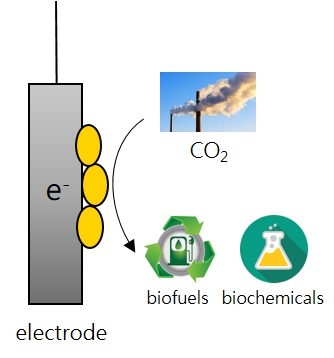
Microbial Electrosynthesis is the process in which microorganisms convert CO2 into biofuels or other biochemicals by the use of electric energy delivered by an electrode. Microbial electrosynthesis is of high interest for the reduction of CO2 emissions, as well as for the conversion of excess electrical energy into a storable form. The main goal of the Microbial Electrosynthesis Research Group is to investigate different kind of microorganisms (including acetogenic bacteria and methanogenic archaea) capable of microbial electrosynthesis and to unravel their extracellular electron transfer and biofilm formation mechanisms.
Microorganisms capable of consuming extracellular electrons are not only interesting for new applications (such as microbial electrosynthesis), but can also cause severe material degradation. Microbial corrosion is the process in which microorganisms cause the corrosion of steel or other materials; leading to huge economic losses. The Microbial Electrosynthesis Research Group aims to investigate the corrosion mechanisms of corroding microorganisms (e.g. acetogens, methanogens and Shewanellas).
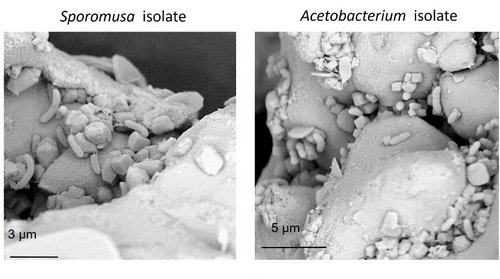
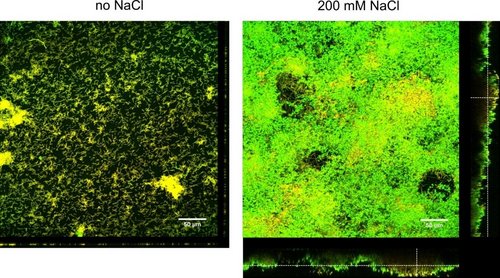
Very little is known about biofilm formation by acetogenic bacteria, even though biofilms could be very useful for the development of new biotechnological applications, such as microbial electrosynthesis and gas fermentation. The Microbial Electrosynthesis Research Group has as goal to unravel and improve biofilm formation by acetogenic bacteria.
Kinetic modelling is useful to better understand the processes behind Microbial Electrosynthesis. The Microbial Electrosynthesis Research Group aims to develop kinetic models for different kinds of microorganisms capable of Microbial Electrosynthesis (acetogenic bacteria, methanogenic archaea), to aid the strain selection for this application.
